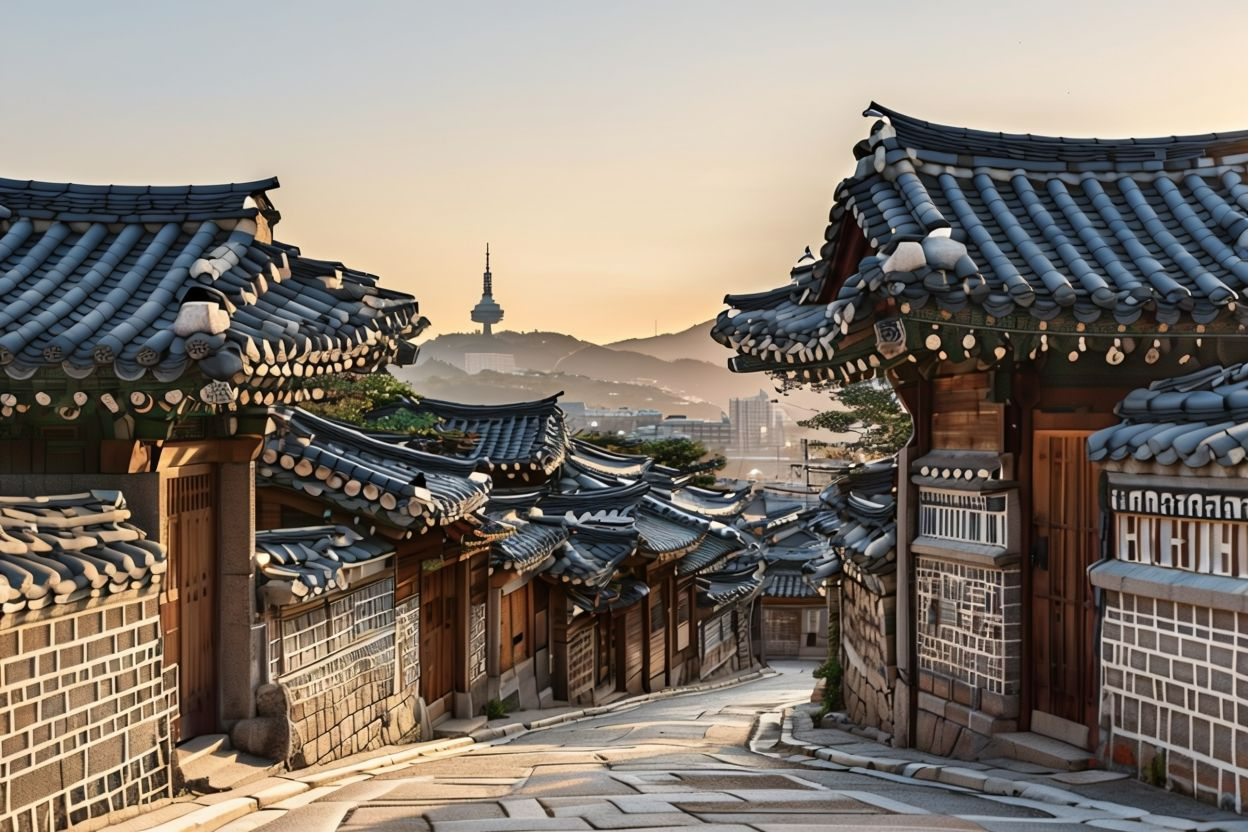
A Guide to Hanok Stays in Seoul
Experience Traditional Korea in the Heart of the City
Have you ever heard of a hanok, Korea’s traditional style of house? For travelers looking for something beyond Seoul’s modern skyscrapers and busy shopping streets, staying in a hanok can offer a memorable glimpse into Korea’s architectural heritage and traditional way of living.
A hanok is a traditional Korean house characterized by features such as wooden structures, tiled roofs, courtyards, and traditional heating systems known as ondol. Today, Seoul is home to both preserved traditional houses and modern accommodations inspired by hanok architecture.
Staying in a hanok gives visitors a different perspective on Seoul. Depending on the accommodation, guests may sleep in traditional-style rooms, experience ondol floor heating, relax in a quiet courtyard, or enjoy views of traditional wooden architecture.
Some hanok accommodations also provide cultural experiences such as Korean tea, traditional crafts, or hanbok experiences. However, these services vary by property, so it is a good idea to check what is included before booking.
Popular areas for experiencing hanok culture include Bukchon, Seochon, and Ikseon-dong. Each neighborhood has its own atmosphere: Bukchon is famous for its historic streets and traditional architecture, Seochon has a quieter local character, while Ikseon-dong combines old hanok buildings with modern cafés, restaurants, and shops.
✔ Why Experience a Hanok Stay?
• Discover the warmth of traditional ondol floor heating
• Enjoy the peaceful atmosphere of a courtyard or wooden interior
• Take beautiful photographs in a distinctive Korean setting
• Experience a different side of Seoul beyond its modern cityscape
✔ Popular Areas to Experience Hanok Culture in Seoul
| Area | What to Expect |
|---|---|
| Bukchon Hanok Village | Historic hanok streets and scenic traditional architecture. Please remember that much of Bukchon is a residential neighborhood. |
| Seochon | A quieter neighborhood with traditional houses, local cafés, galleries, and small independent shops. |
| Ikseon-dong | A lively area where renovated hanok buildings house cafés, restaurants, boutiques, and other modern businesses. |
Bukchon is not simply a tourist attraction—it is also home to local residents. Some areas have visitor-hour restrictions, and travelers should keep noise to a minimum, avoid entering private property, and follow local signs and visitor guidelines.
✔ Tips for Your Hanok Stay
- Book early during popular travel seasons such as spring and autumn.
- Check whether your room uses a traditional floor mattress or a Western-style bed.
- Confirm in advance whether breakfast, tea experiences, hanbok rental, or other activities are included.
- Remember that traditional wooden buildings may have different soundproofing from modern hotels.
- Respect residents and private homes when exploring historic hanok neighborhoods.
- Check the latest visitor information before visiting Bukchon Hanok Village.
✔ What Makes a Hanok Stay Special?
A hanok stay is less about luxury in the conventional sense and more about atmosphere. The sound of wooden doors, the warmth of an ondol floor, a small courtyard, and the contrast between traditional architecture and modern Seoul can make the experience memorable.
Travelers can choose from simple traditional guesthouses to carefully restored boutique accommodations. Facilities and cultural programs vary widely, so comparing individual properties before booking is recommended.
💡 Experience the warmth of an ondol floor.
💡 Spend a quiet moment in a traditional courtyard if your accommodation has one.
💡 Explore nearby alleys, cafés, galleries, and historic sites.
💡 Check whether your accommodation offers optional cultural programs.
💡 Most importantly, respect the neighborhood and the people who live there.
※ Accommodation facilities, cultural programs, and neighborhood visitor rules may change. Check the latest information from your accommodation and official Seoul tourism sources before your visit.